

Nose and Sinus (Rhinology)
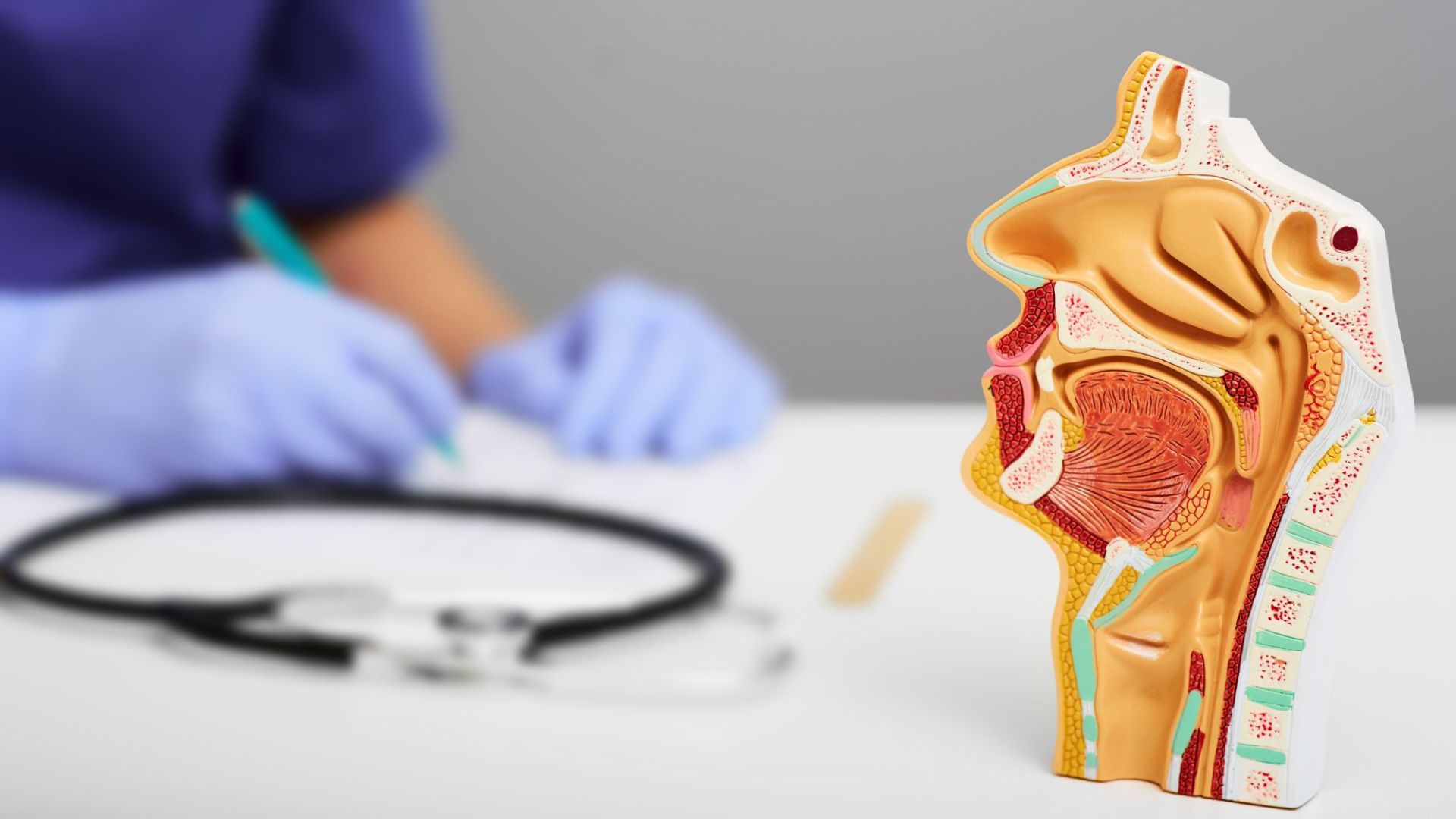
Rhinology is the subspecialty of ENT focused on the nose, sinuses, and related structures involved in breathing, smell, and drainage.
1. Main Functions of the Nose & Sinuses
Breathing – warms, filters, and humidifies air
Smell (Olfaction)
Drainage and ventilation of sinuses
Resonance for voice quality
2. Common Rhinology Conditions
Deviated Nasal Septum (DNS)
Allergic Rhinitis
Non-allergic Rhinitis
Nasal polyps
Nasal obstruction / congestion
Epistaxis (nosebleeds)
Nasal fractures & trauma
Sinus Disorders
Acute Sinusitis
Chronic Rhinosinusitis (CRS)
CRS with Nasal Polyps (CRSwNP)
Fungal sinusitis
Mucocele
Sinus headaches / facial pressure
3. Symptoms Requiring Rhinology Evaluation
Persistent nasal blockage
Recurrent/constant sinus infections
Facial pain or pressure
Post-nasal drip
Loss of smell or taste
Frequent sneezing / allergies
Nasal discharge (clear, purulent, or bloody)
Snoring or sleep breathing issues
4. Key Diagnostic Tools
Nasal Endoscopy
CT Scan of Paranasal Sinuses
Allergy testing
Smell tests (olfactometry)
5. Common Rhinology Procedures
Allergy control (antihistamines, nasal steroid sprays)
Saline irrigations
Antibiotics (when indicated)
Decongestants
Surgical Procedures
Septoplasty
Turbinate reduction
Functional Endoscopic Sinus Surgery (FESS)
Balloon sinuplasty
Polypectomy
Endoscopic repair of CSF leak
Endoscopic tumor removal